This placeholder article accompanies an imagined audio introduction to psychological astrology. Psychological astrology reads the chart as a symbolic image of inner life: temperament, defense, longing, conflict, vocation, and the stories through which a person becomes themselves.
The chart as interior landscape
In psychological astrology, planets are often approached as figures or functions within the psyche. Mars may describe assertion, anger, courage, or the capacity to separate. Venus may describe attraction, value, pleasure, and the way one seeks harmony. Saturn may describe fear, discipline, inhibition, and earned authority.
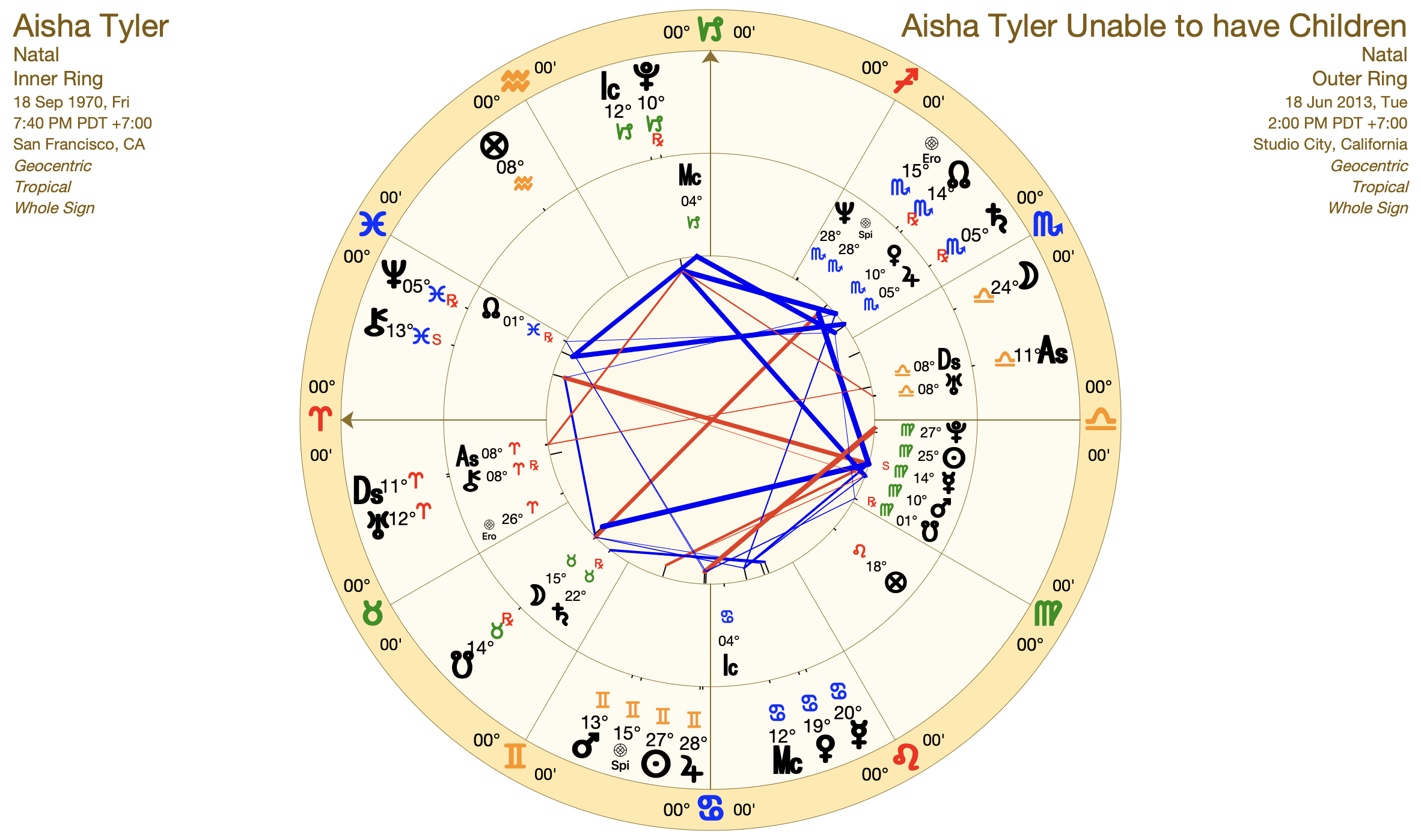
The birth chart can be read as a map of recurring inner weather, not as a verdict on character.
Complexity without melodrama
Psychological astrology is useful when it helps a person notice pattern without becoming trapped by it. A difficult placement is not a life sentence. It may describe a part of the psyche that requires attention, patience, and a more conscious form of expression.
For example, a hard Moon-Saturn configuration might describe emotional restraint, early responsibility, or a fear of need. It might also describe steadiness, loyalty, and the capacity to care seriously once trust is built. Both sides matter.
What this approach can illuminate
- Repeated relational patterns
- Conflicts between desire and duty
- Creative blocks and sources of vitality
- Inherited family themes
- Periods of transition, loss, repair, and growth
Symbol and responsibility
The chart can name a pattern, but the person still lives the life. This is why psychological astrology should be handled with care. The symbolism can be powerful, but it should not be used to reduce someone to a diagnosis or a fixed story.
The goal is not to make the chart louder than the person. The goal is to help the person hear their own life with more nuance.
A graceful ending would say: psychological astrology is a contemplative practice of meaning-making. It invites reflection, but also responsibility. The chart may describe the pattern; living gives it form.